
There’s a strange assumption about people who write dark stories.
That we live there.
That we exist in a constant state of tension, always circling the shadows, always chasing the next unsettling idea.
And to be fair… we do spend a lot of time there.
Psychological thrillers demand it. They ask you to sit with discomfort longer than most people would prefer. To explore fear, control, uncertainty—sometimes all at once. You don’t just write those stories. You inhabit them.
But here’s the part no one really talks about:
You can’t stay there forever.
The Cost of Staying in Dark Places Too Long
Writing suspense isn’t just about plot—it’s about emotion.
You’re constantly asking:
- What feels off here?
- What would make this moment more tense?
- How far can I push this before it breaks?
And over time, that mindset starts to follow you.
You notice things more.
You question things more.
You sit in silence a little longer than most people would find comfortable.
It sharpens your writing.
But it also… lingers.
Why Stepping Away Makes You a Better Writer
Here’s the truth:
Darkness only works because of contrast.
If everything is tense, nothing is.
If every moment is heavy, readers stop feeling the weight.
The most effective thrillers understand rhythm. They know when to tighten the pressure—and when to release it.
As writers, we need that same balance.
We need space to reset.
To breathe.
To step outside the intensity so that when we return, we can see it clearly again.
My Version of a Reset (It’s Not What You’d Expect)
When I step away from psychological thrillers, I don’t reach for something soft or quiet.
I go in the opposite direction.
Fast.
Chaotic.
Completely unhinged.
Stories that don’t ask me to sit in dread—but instead throw me into worlds where anything can happen, and usually does.
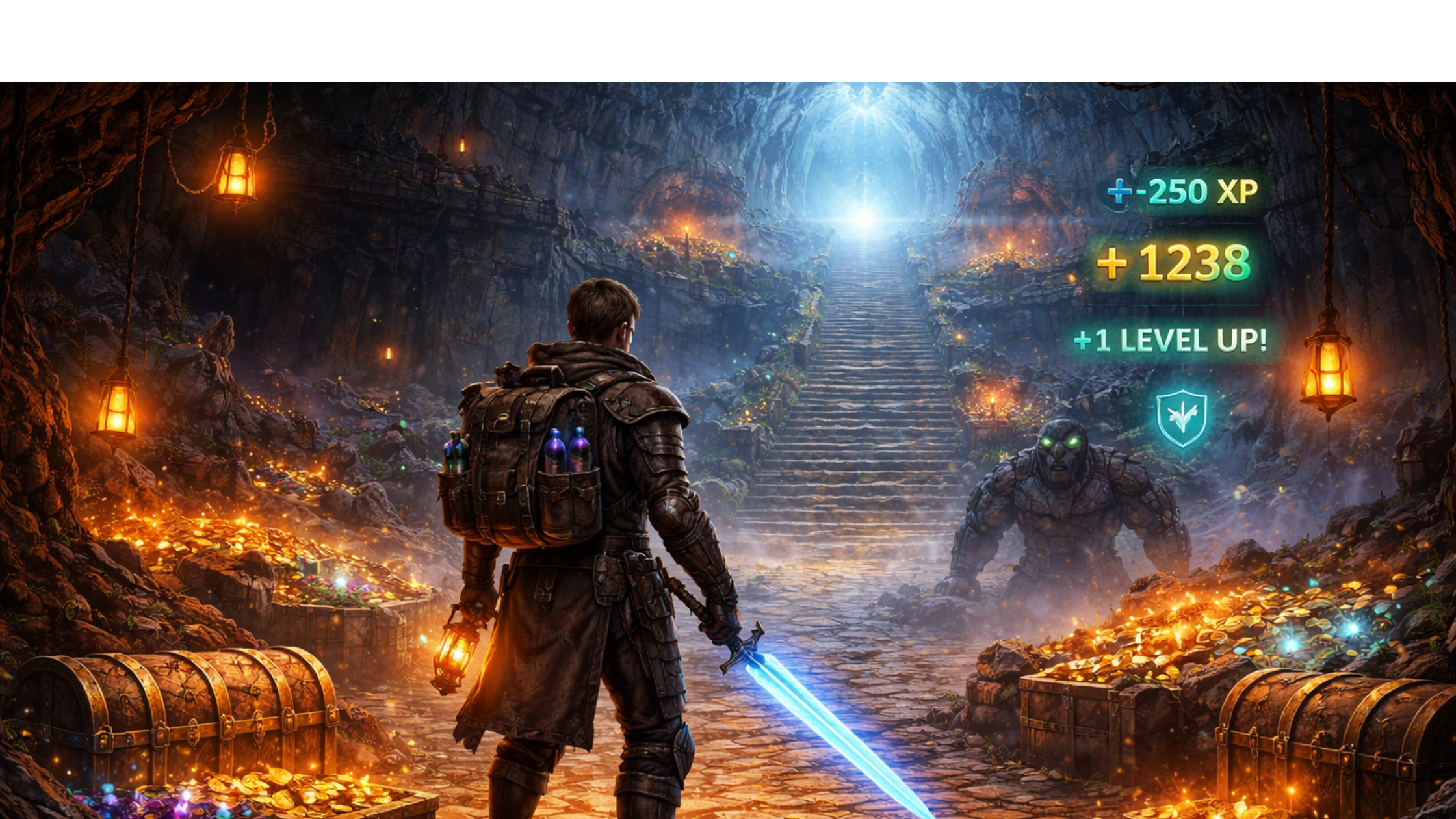
Lately, that’s meant diving into LitRPG—specifically series like Dungeon Crawler Carl.
And if you’ve read it, you already know…
This isn’t a gentle escape.
It’s absurd. Violent. Dark in its own way—but also wildly funny, unpredictable, and impossible to take too seriously.
Which is exactly the point.
Why “Fun” Stories Matter More Than We Admit
There’s something freeing about stepping into a story that doesn’t ask you to carry emotional weight the same way.
You’re not analyzing every glance.
You’re not bracing for quiet dread.
You’re just… along for the ride.
And that shift does something important.
It resets your instincts.
It reminds you that storytelling isn’t just about tension—it’s also about momentum, surprise, and sometimes, pure chaos.
And when you return to darker work?
You’re sharper.
More intentional.
More aware of how and when to apply pressure.
The Balance Every Writer Needs
This isn’t about switching genres.
It’s about protecting your creativity.
Because writing in one emotional space for too long—especially a heavy one—can dull your edge. It can make everything feel the same.
But when you allow contrast?
Everything changes.
The dark feels darker.
The quiet feels quieter.
The tension hits harder.
Final Thought
I spend a lot of time writing stories that live in the shadows.
That’s where psychological thrillers do their best work.
But every now and then, I step out of that space and into something completely different—something louder, faster, and just a little chaotic.
Not because I’m leaving the darkness behind.
But because stepping away is what allows me to return to it… and write it better.