
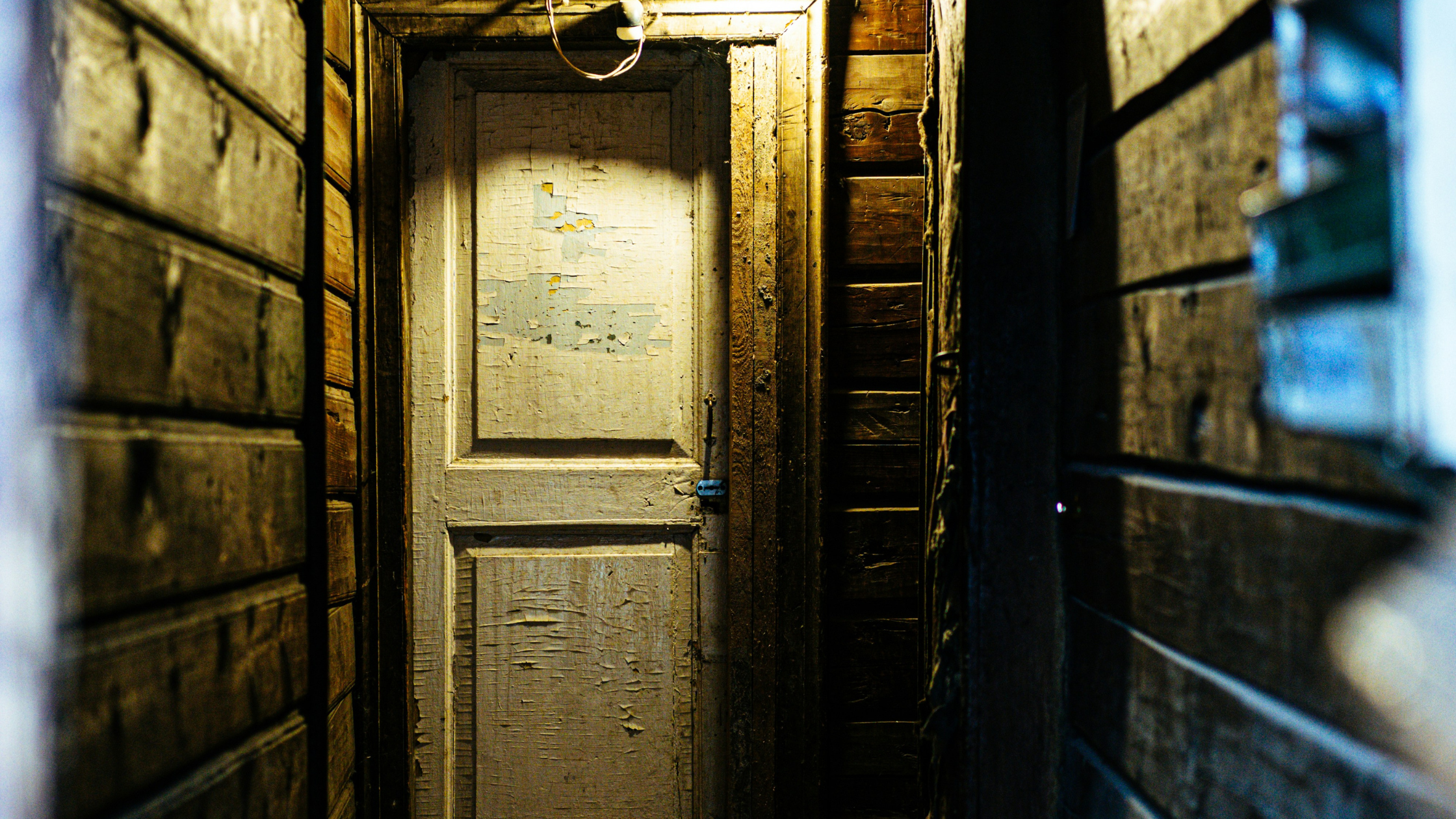
When people think of thrillers, they imagine crime scenes.
Police tape.
Flashing lights.
Evidence laid out in neat, numbered markers.
But the truth is… those moments are rarely the most dangerous.
Because by the time you reach the crime scene, something has already happened.
The real danger lives somewhere else entirely.
The Dread Before the Damage: Why Anticipation Is the Most Powerful Tool in a Thriller
Some of today’s most compelling psychological thrillers—and recent series like Something Bad Is Going to Happen—don’t rush to the moment of impact.
They linger.
They stretch out the seconds before anything breaks.
They allow the reader to sit in the discomfort of almost knowing.
And that space—right before something happens—is where tension becomes unforgettable.
Because your mind doesn’t stay still.
It moves ahead of the story.
Filling in possibilities.
Testing outcomes.
Bracing for something you can’t yet see.
Why Anticipation Feels More Intense Than Action
What makes this technique so effective in modern thrillers is simple:
The story invites the reader to participate.
The moment something feels off—even slightly—your brain begins searching for meaning. You start connecting details, questioning intentions, and predicting what might come next.
You’re no longer just reading.
You’re anticipating.
And anticipation is where suspense thrives.
This kind of tension doesn’t happen by accident—it’s something thriller writers intentionally build, often starting with a single unsettling idea. (You can explore more about how this works in Where Psychological Thriller Authors Get Their Ideas.)
How Time Slows Down in Suspenseful Scenes
In high-tension moments, time doesn’t behave normally.
A pause in conversation feels longer than it should.
A glance carries more weight than expected.
A quiet room suddenly feels too quiet.
Nothing has happened yet.
But it feels like something must.
This stretching of time creates a subtle pressure—an invisible countdown that keeps readers engaged and slightly on edge.
The Subtle Loss of Control
The most effective thrillers don’t rely on immediate chaos.
Instead, they introduce a quiet shift.
A routine feels disrupted.
A space feels unfamiliar.
A person feels slightly unpredictable.
It’s not enough to cause alarm.
But it’s enough to create doubt.
And once doubt enters the story, tension follows naturally. Control doesn’t disappear all at once—it slips, slowly and almost unnoticed.
While some thrillers rely heavily on forensic detail and investigation (which I dive into in Why Forensic Science Fascinates Psychological Thriller Writers), others lean into something quieter—and often more unsettling.
Why the Moment Before Matters Most
One of the most powerful truths in thriller writing is this:
The moment before something happens
is often more intense than the moment itself.
Once an event occurs, the unknown is replaced with information.
But before it happens?
Anything is possible.
And that uncertainty is what keeps readers turning pages.
Why Readers Are Drawn to This Type of Suspense
Readers often believe they’re waiting for the reveal—the twist, the answer, the resolution.
But what truly holds their attention is the buildup.
The tension that simmers beneath the surface.
The unanswered questions.
The quiet sense that something is coming.
If you’ve ever wondered why stories like this pull us in so deeply, I explore that more in Why I Write Dark Stories.
This is what makes psychological thrillers so addictive.
Not just what happens…
but what might happen.
Bringing It All Together
The most dangerous place in a thriller isn’t the crime scene.
It’s the moment just before it.
The pause.
The hesitation.
The subtle shift that tells you something is about to change.
Because once something happens, the story gives you answers.
But before it does?
It gives you uncertainty.
And that uncertainty—the anticipation, the quiet tension, the sense that something is building just out of view—is what stays with you.
It lingers in the silence.
In the spaces between moments.
In the feeling that something isn’t quite right.
And long after the story ends…
It’s the part you can’t shake.